Ownership
Car valeting vs car detailing: what's the actual difference?
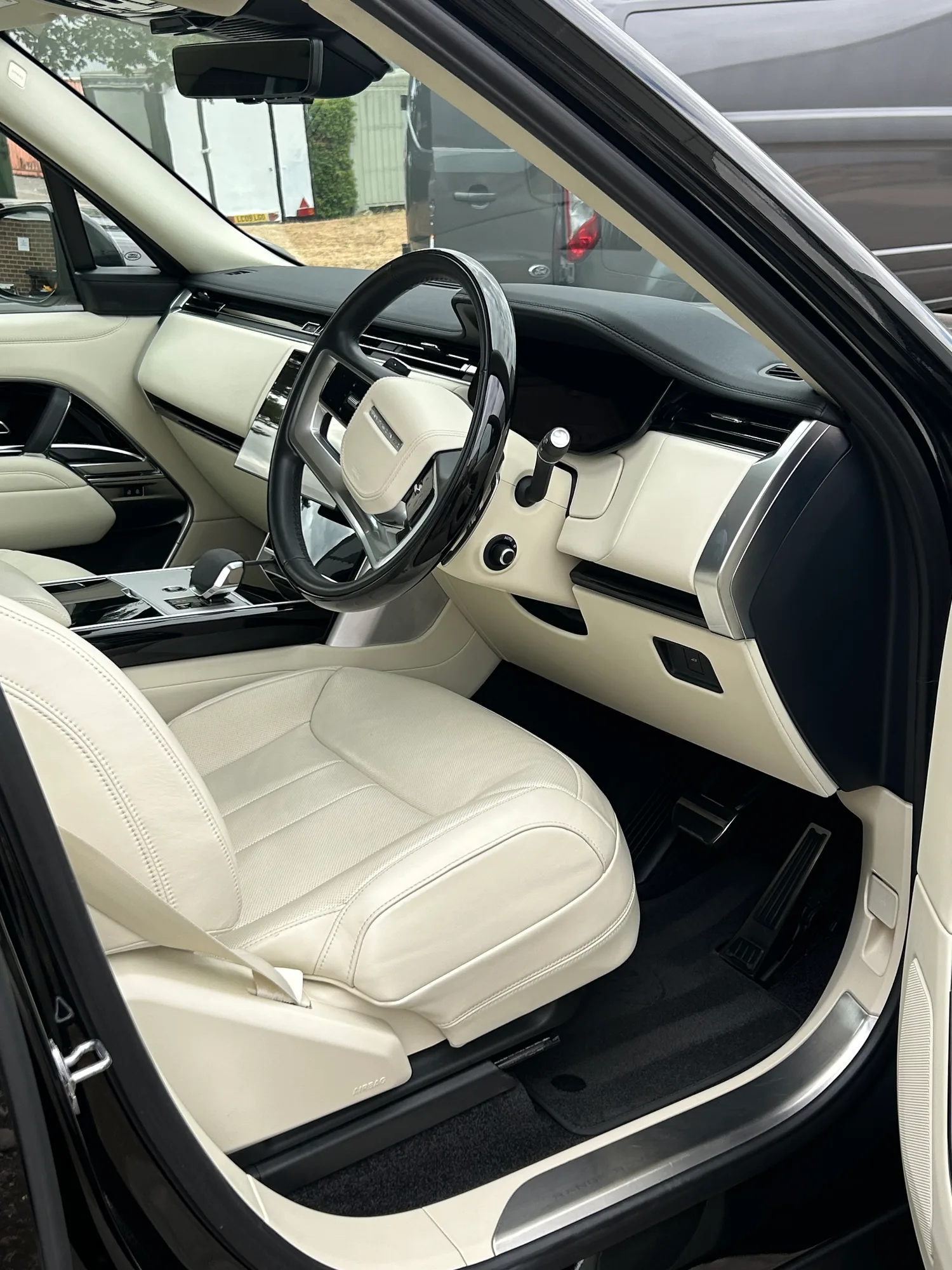
The two terms get used as though they mean the same thing, including by plenty of people in the trade. They don't, and the difference matters — mostly because it decides whether you're about to spend two hours or two days, and whether your paint ends up genuinely better or just clean.
Here's the honest distinction.
Valeting is cleaning
Valeting is the thorough removal of dirt, inside and out. Done properly it's a serious job — a full interior deep clean can take most of a day on a neglected car — but the goal is to return the car to clean.
A full valet typically covers:
- Safe exterior wash, wheels, arches and tyres
- Decontamination — tar, iron fallout, tree sap
- Interior vacuum, including seat rails and the boot
- Steam cleaning and extraction of carpets and fabric seats
- Leather cleaned and conditioned
- Glass, plastics, vents and door shuts
- A wax or sealant for a few months of protection
What valeting does not do is change the condition of the paint. If the car has swirl marks before a valet, it has exactly the same swirl marks after, on a cleaner car. A wax may make them slightly less obvious for a few weeks. That's the ceiling.
Detailing is correction and protection
Detailing starts where valeting stops. The car gets cleaned and decontaminated first — that's a prerequisite, not the job — and then the paint itself is worked on with a machine polisher to remove defects in the clear coat.
A detail typically involves:
- Everything in a thorough exterior valet, as preparation
- Paint depth readings, and a test section to find the right combination
- Machine polishing to remove swirl marks, light scratches and oxidation
- Refining passes to remove any haze the cutting stage leaves
- A long-term protective layer — usually a ceramic coating
The output is different in kind, not degree. A valeted car is a clean version of the car you had. A detailed car has paint that is measurably better than it was — often better than it was when new, because factory paint carries defects too.
The one-line version
Valeting removes what's sitting on the paint. Detailing changes the paint. If nobody has taken a machine polisher to your car, it hasn't been detailed, whatever it was called on the invoice.
How long each takes
This is the clearest signal of which one you're actually being offered.
- Maintenance valet: 1–2 hours. Keeping an already-clean car clean.
- Full deep clean: 4–8 hours. Interior and exterior, taken back to properly clean.
- Single-stage correction: most of a day. One machine polishing stage plus preparation.
- Two-stage correction and coating: two days or more. Cutting, refining, panel wipe, coating, and curing time.
If someone quotes you a "full detail with ceramic coating" for three hours, they are waxing a clean car. Correction cannot be rushed — the time is the work.
Which one do you need?
Genuinely useful rule: look at the paint in direct sunlight.
- 1Paint looks good, car is dirty — you need a valet. Possibly a full deep clean if it's been a while, then a maintenance plan to keep it there.
- 2Paint looks hazy or swirled in the sun — cleaning will not fix that. You need correction.
- 3New car, paint is near-perfect — you want protection before the damage starts. A light enhancement and a coating, not a full correction.
- 4Selling soon — a deep clean is usually the better return. Correction costs more than most private buyers will pay extra for, unless it's an enthusiast car.
Do you need detailing every year?
No — and be wary of anyone who says you do. Correction removes clear coat, and you only have so much. It's something a car should have occasionally, not annually.
The sustainable pattern is: correct once, protect it, then maintain. A coating handles the protection for two or more years, and regular safe washing means the paint never degrades enough to need correcting again for a long time. That's cheaper over five years than repeatedly correcting a car you keep letting get swirled.
If you're unsure which category your car falls into, send a photo taken outside in daylight. That's usually all it takes to tell you honestly which one you need — including when the answer is the cheaper one.
Want a straight answer on your car?
Tell us what you've got and send a photo in daylight. You'll get pricing back the same day, and an honest view of what it actually needs.
Or call 07787 927204 — Mon–Sat, 8am–6pm