Ownership
Are black cars hard to keep clean? Why, and how to make it easier
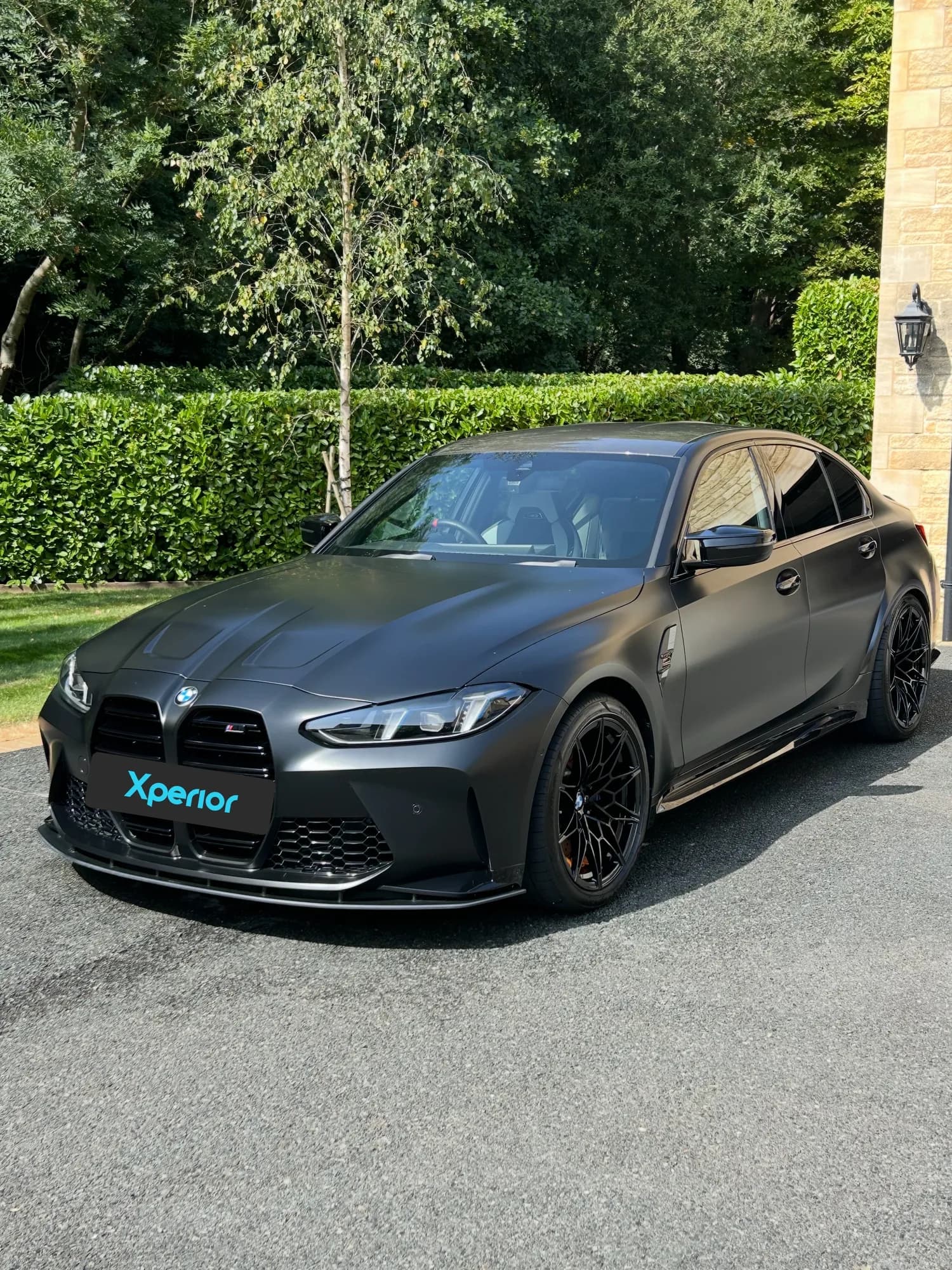
Yes — black is the hardest colour to keep looking clean. Not because black cars get dirtier than any other colour; they collect exactly the same dust and grime. It's that black shows all of it. Light dust, water spots, pollen and fine scratches that are practically invisible on silver stand out clearly against a dark, glossy surface.
The good news is that most of what makes black difficult is fixable. Here's why it happens and what actually helps.
Why black shows everything
Dirt is light-coloured
Road dust, dried rain residue, pollen and brake dust are mostly pale grey or beige. On a silver or white car they blend into the paint. On black they're the highest-contrast thing on the panel. A black car can look dusty within a day of being washed while a silver one parked next to it looks fine for a week — same dirt, very different visibility.
Black is the most reflective colour
A dark, glossy panel behaves almost like a mirror. That's what makes a well-kept black car look so good — and it's exactly why any defect in the surface ruins it. A mirror shows a smudge in a way a matt wall never would. Every imperfection distorts the reflection.
Swirl marks are the real problem
This is the one most people mistake for dirt. Those fine circular scratches you see on a black bonnet in the sun are swirl marks — microscopic scratches in the clear coat, almost all of them put there by washing and drying. Every colour has them. On silver you'd never notice. On black, in direct sunlight, they look like a spiderweb over the whole car.
This is why so many black car owners feel like the car never looks properly clean even straight after washing it. It often is clean. What they're seeing is scratched.
How to tell dirt from swirls
Wash a panel and look at it in direct sun. If it still looks hazy or webbed once it's dry and clean, that's swirling, not dirt — and no amount of washing will shift it.
Water spots
Tap water and rain both carry dissolved minerals. When a droplet dries on the paint, the water evaporates and the minerals stay behind as a pale ring. Again, almost invisible on light paint and obvious on black. Left long enough in summer heat, they can etch into the clear coat and become permanent until polished out.
Which colours are easiest to keep clean?
Silver and mid-grey are the most forgiving by a long way. They're close to the colour of road dust and they hide swirl marks well. White hides scratches but shows road grime, tar spots and dirty water runs down from the window seals. Black, dark blue and dark grey are the hardest, with solid black — especially non-metallic — the hardest of all, because there's no metallic flake to break up the reflection.
How to keep a black car looking good
Almost all of this comes down to two things: stop adding new scratches, and protect the paint so it sheds dirt and water instead of holding on to it.
- 1Never use an automatic car wash. The brushes carry grit from every car before yours. On black, one trip through can visibly swirl a freshly polished car.
- 2Wash with two buckets and a mitt, not a sponge. Full method in our guide to washing a car without scratching it. This single change prevents most new damage.
- 3Wash in the shade, never in direct sun. Black panels get hot fast, and shampoo or water drying on hot paint leaves exactly the spots and streaks you're trying to avoid.
- 4Dry with air if you can, or a large plush towel with no pressure. Drying is where most swirls are actually made. Never let the car air-dry — that's where water spots come from.
- 5Lift dust off, don't wipe it. Wiping a dry, dusty black panel with a cloth is guaranteed to scratch it. Use a quick-detailer spray to lubricate first, then lift with a clean microfibre.
- 6Deal with bird mess the same day. It's acidic, and on a black car baking in the sun it can etch into the clear coat within hours.
Is ceramic coating worth it on a black car?
Black is the colour where a coating makes the biggest difference. A ceramic coating gives the paint a slick, hard surface that dust and water struggle to cling to. Water beads and rolls off rather than sitting and drying into spots, dust rinses away with far less contact, and bird lime sits on top instead of etching in.
The catch is that a coating has to go onto corrected paint. It's transparent and it lasts years — put it over swirl marks and you've sealed them in. On most black cars that means a paint correction first. The result is the black finish people actually buy black cars for: deep, wet-looking and properly reflective, and far easier to keep that way.
On black, correction gets rid of the swirls. The coating is what stops them coming back.
Matte black is a different job
If your car is matte or satin black, almost everything above about polishing doesn't apply — and doing it would damage the finish. Matte paint can't be machine polished: polishing smooths the surface, which is exactly what makes paint glossy, so it would leave shiny patches that can't be undone.
Matte finishes need pH-neutral matte-specific shampoo, no waxes or glazes (they leave blotchy shine), and a matte-specific coating if you want protection. Bird mess and fuel spills matter even more, because a mark etched into matte paint can't be polished out. If you've got a matte car, tell us when you ask for a quote — it changes how the whole job is done.
So should you avoid buying a black car?
No — if you like it, buy it. A properly looked-after black car is still the best-looking colour on the road, which is why so many people choose it despite the reputation. You just need to accept that it will show neglect faster than silver, and that how it's washed matters more.
If yours already looks hazy or swirled in the sun, that's fixable — usually in a day. Send us a photo taken outside in daylight and we'll tell you honestly what it needs. We're mobile across Corby, Market Harborough, Leicester, Northampton and Rutland, so the work's done on your driveway.
Want a straight answer on your car?
Tell us what you've got and send a photo in daylight. You'll get pricing back the same day, and an honest view of what it actually needs.
Or call 07787 927204 — Mon–Sat, 8am–6pm